
New Ultrasound Memory Study
Join our groundbreaking research on ultrasound technology for memory enhancement. Help pioneer the future of cognitive wellness.
Learn About Study HereJoin our groundbreaking research on ultrasound technology for memory enhancement. Help pioneer the future of cognitive wellness.
Learn About Study HereNotes from the bench — ultrasound neuromodulation research, the PULSE device, the frequency library, and the on-chain infrastructure that holds it together.
How frequency ownership works today: the $10 marketplace, the free 100 Hz baseline, early-cohort gifts, and why granted frequencies are never revoked.
4 min read · Read →
What the Ultrasound Memory Study asks, who is eligible, and what the at-home protocol involves — a plain guide for potential participants.
5 min read · Read →
What organizing research as a DAO actually buys — transparent funding, member participation, direction-setting — and the honest limits of an early experiment.
5 min read · Read →
How UltraDAO's two tokens divide the work: $ULTRA as spending money for the device, UXDT as voting stock in a Wyoming LLC, and why the separation matters.
5 min read · Read →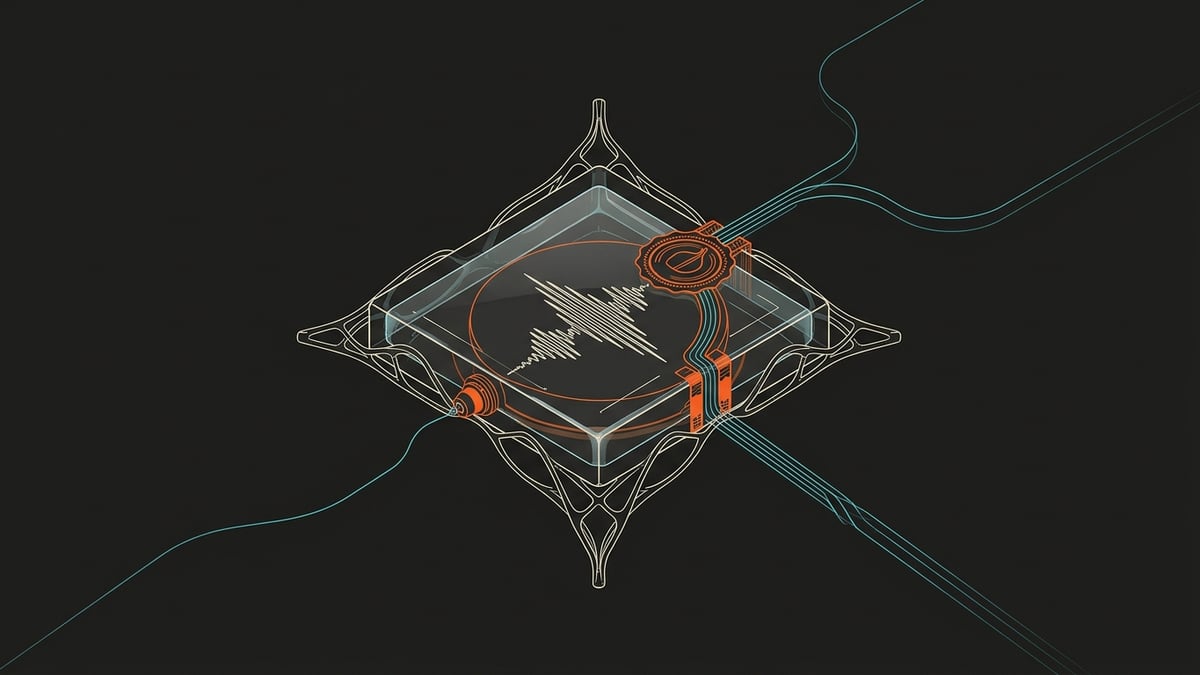
What an UltraDAO IP-NFT is: a frequency program you own on-chain via KRC-721, bound to hardware that runs it, inside a loop designed to fund research.
5 min read · Read →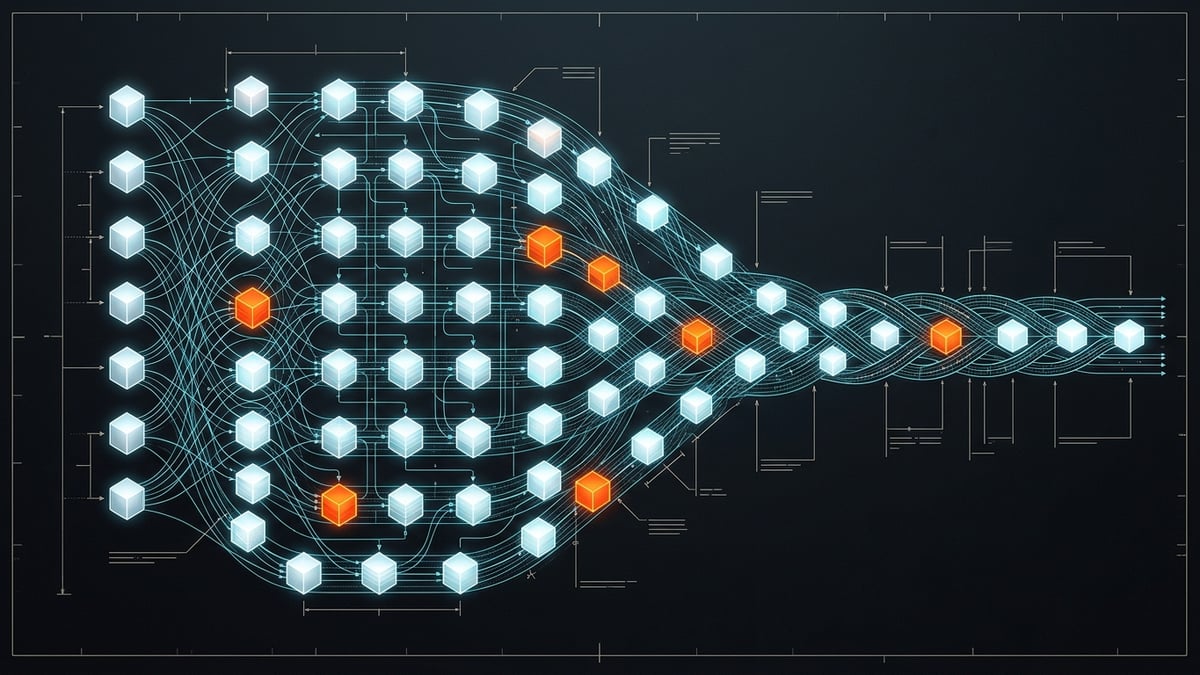
Why UltraDAO settles on Kaspa: $ULTRA as a KRC-20 token, a treasury held in KAS, and IP-NFT ownership records on a fast proof-of-work network.
5 min read · Read →
How a frequency program becomes a signed six-kilobyte firmware engine: naming, bench verification, and what one NFC tap actually does to the device.
5 min read · Read →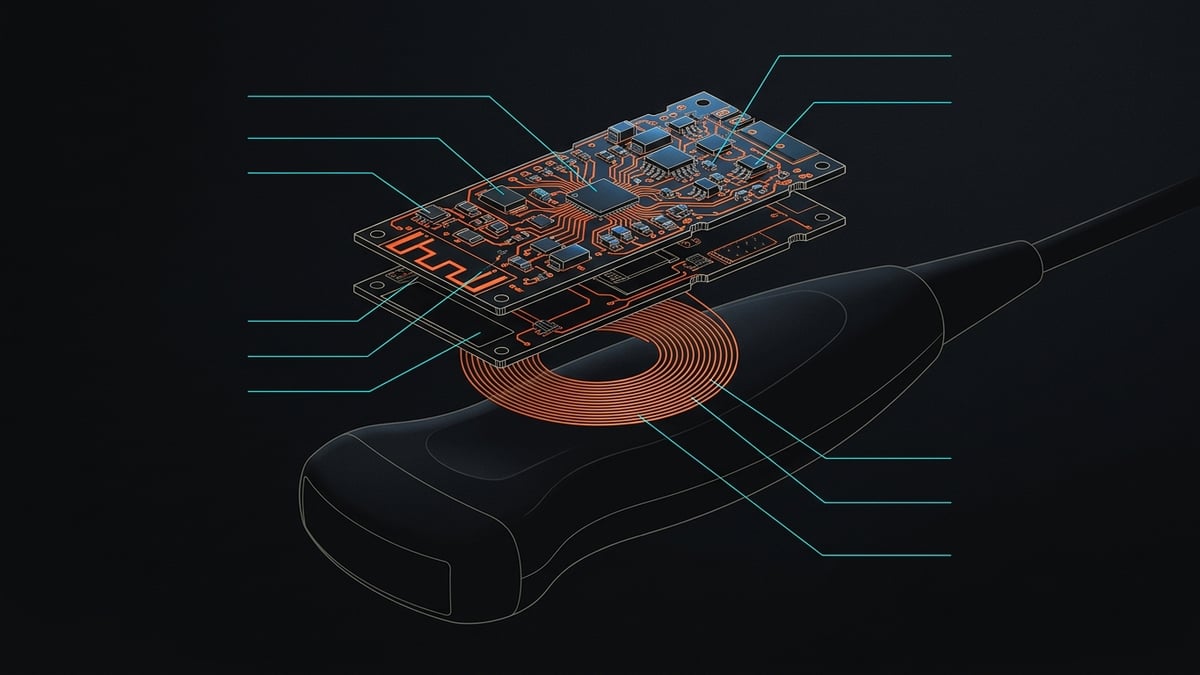
A hardware tour of PULSE, the module that makes the US PRO 2000 programmable: the board, the signed NFC flash flow, and what it costs.
5 min read · Read →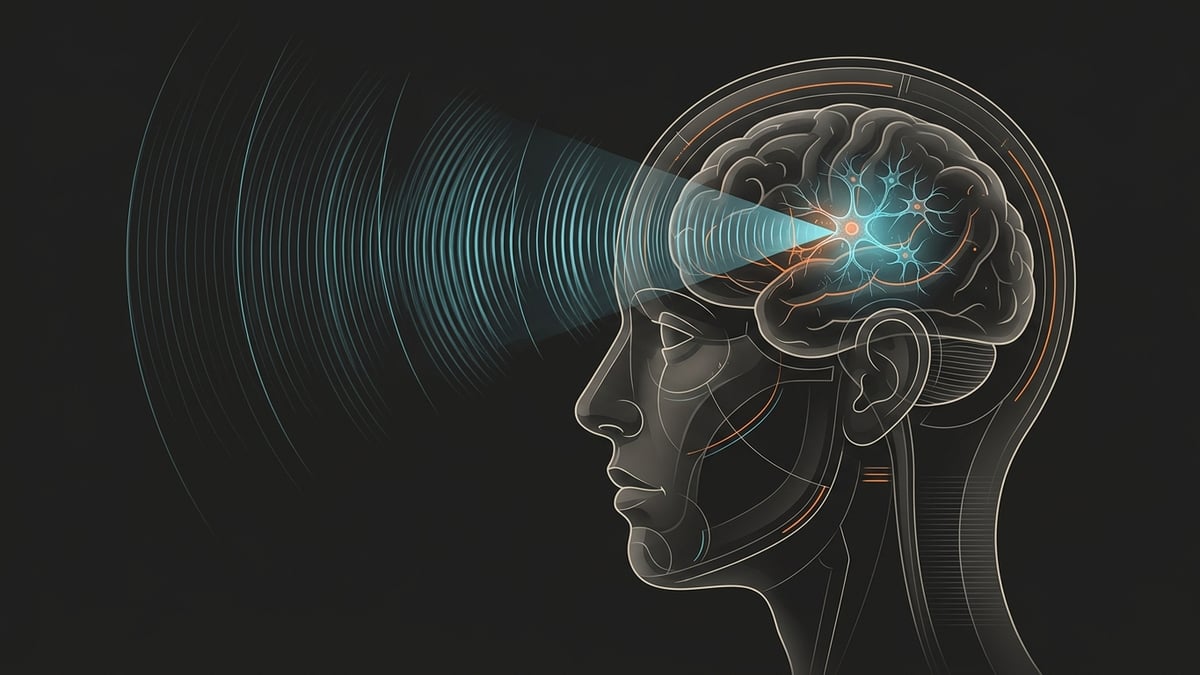
A plain-language introduction to ultrasound neuromodulation — the physics, the research interest, the honest state of the field, and UltraDAO's approach.
5 min read · Read →